
AC Fans in Industrial Cooling Systems: A Workhorse for B2B Cooling
Machines run hotter than summer asphalt, so most factories, data halls, and assembly lines depend on good airflow. In that lineup of cooling gadgets, an AC fan sits near the top because it just keeps going, day after day.
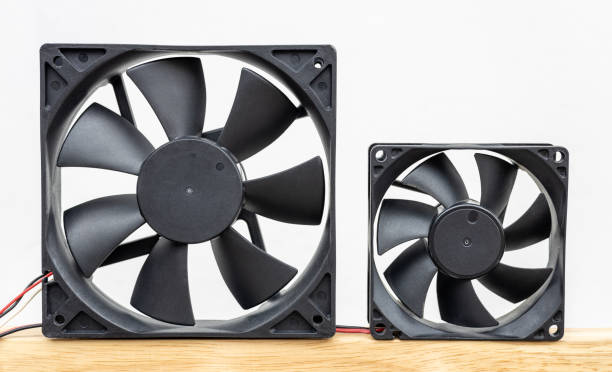
For manufacturers and facility managers, that reliability is no small perk. Vendors such as ACDC FAN offer options that withstand dust, vibration, and the odd splash of coolant while still letting engineers tweak voltage ratings, speed curves, or housing materials to fit unique jobs.
The Basics Behind AC Fans
An alternating-current fan runs, not surprisingly, on alternating current-usually 110V or the 220-/380- volt lines you'll find in most commercial plants. The power flips direction several times a second, which makes the rotor turn smoothly, almost lazily, yet moves a surprising volume of air. Heat from drives, servers, or switchgear gets carried away before it can cause trouble.
An AC fan spins using electromagnetic tricks that have been around for more than a century. Hook it up to an alternating current, and a shifting magnetic field does the heavy lifting, sending the blades into motion. You can find these fans in all sorts of shapes-axial slices through the air like a propeller, while radial ones puff it straight out-and they stay popular because they last, move air without fuss, and don't tax the budget too much.
If you're hunting for something tougher, https://www.acdcecfan.com/ru/products/ac-fan ACDC FAN lists industrial-grade models that laugh in the face of serious workloads.
Why Factories Lean on AC Fans
Manufacturers reach for AC currents more often than not, and the reasons don't take long to list.
Built to Last
Steel frames, cast housings, even heavy-duty ball or sleeve bearings show up regularly, so breakdowns usually wait until after the warranty is long gone.
Plug-and-Play Stability
No separate speed boards or gizmos are needed. Just feed the fan its rated voltage and you get steady cooling or ventilation the moment it kicks in. That predictability makes engineers sleep a little easier on busy production floors.
Wide Voltage Compatibility
AC fans are built to run perfectly well whether the input is a trickle of 110 volts or a walloping 400 volts. That flexibility lets engineers drop them into just about any country or system without hunting down extra adapters or special wire.
Cost-Effective Cooling
Where fancy speed controls and gizmos aren't strictly necessary, an AC fan does the job and saves money. Its basic design means lower upfront costs and a shorter to-do list when maintenance time rolls around.
Broad Application Flexibility
Slide an AC fan into a dusty factory control box or a sleek telecom rack and it starts moving air with no complaints. The fan keeps temperatures steady in places where even a small hotspot could cause big problems.
Common B2B Applications of AC Fans
Commercial and industrial teams lean on AC fans because they deliver tough, steady airflow day after day. Here are a few spots you licensed HVAC pros will see most often.
Manufacturing Equipment
Punch press controls, CNC enclosures, and conveyor drive cabinets can turn into ovens in minutes. Install an AC fan and it yanks out hot air before the electronics even notices.
HVAC Systems
Rooftop chillers, make-up air handlers, and oversized exhaust stacks all count on AC fans to blanket a building in comfortable air. The blades keep things moving while sensors handle the fine-tuning.
Telecommunications Infrastructure
Switching racks, mobile base stations, and edge routers spend every second processing signals, so a temperature spike is a hard pass. AC fans slide right in and cool the guts, letting carriers claim 99.999 percent uptime with a straight face.
Refrigeration and Cooling Units
Inside cold-storage rooms and supermarket freezers, AC fans keep the air moving so every inch feels the same chill. Without that circulation, a crate of fish could freeze while the milk beside it stays warm.
Automation Panels and Electrical Enclosures
Small AC fans quietly whisk hot air out of cramped control panels packed with sensors and relays. That simple draft stops circuits from overheating and makes sure everything runs the way it should.
Factors to Consider When Selecting an AC Fan
When plant managers or engineers go fan shopping, the list is longer than diameter and voltage. Weather, grime, and where the unit gets bolted all matter if the equipment is going to last.
Size and Mounting
AC fans jump from a compact 80mm up to a tower-topping 280mm. Pick one that slides into the rack without blocking wires and still delivers the cubic feet per minute you need.
Voltage and Frequency
Double-check that the motor matches the local socket-whether its 230V, 115V, or a rare custom feed. Run a 60-cycle fan on a 50-cycle line and it will wobble, whine, and quit before lunch.
Airflow and Static Pressure
Every bend of ductwork or filter pad pulls some CFM out of circulation. Figure the total resistance, then specify a fan that can push that number-plus a little cushion- the day production shifts into high gear.
Temperature Resistance
Hot factories and high-heat auto shops demand tough cooling gear. Pick a fan that headlines its spec sheet with continuous-duty ratings so it won't quit at peak temperatures.
Noise Levels
Offices, hospitals, and busy classrooms need fans that hum, not roar. Decibel numbers give a quick read on how quietly a motor will run, helping managers dodge sound complaints before they start.
Ingress Protection (IP) Rating
Dusty floors, humid air, or salty spray can kill an ordinary fan fast. A solid IP rating seals out trouble and buys extra years of reliable service.
How ACDC FAN Supports B2B Cooling Needs
ACDC FAN has been making tough ventilation gear for more than twenty years. Their AC motors blend rugged build, sweet efficiency, and plug-and-play setup, making them a favorite on factory floors.
Many B2B buyers stick with ACDC FAN because the brand gets the little details right.
110V, 220V, and 380V variants mean you plug in, and the fan just works-everywhere.
Blade diameters span 80mm to 280mm, so there's a match whether the box is briefcase-sized or refrigerator-sized.
CFM output runs from a whisper-soft 16.5 all the way up to a roaring 1150, answering both chill and rush hour needs.
Motor speeds stay flexible too, spinning between 1800 and 3200 RPM depending on which model you grab.
Because the gear carries CE, UL, RoHS, and T-v certifications, purchasing departments can breathe easy in regulated markets.
For firms that want something totally their own, ACDC FAN offers OEM, ODM, and OBM services to dress the tech in custom livery.
Manufacturers, system builders, and IT pros love these fans when they need HVAC, automation, or data-center gear that simply won't quit.
Reining in heat inside a factory or server room is more than a luxury; it's how you keep machines alive.
AC fans deliver that kind of reliability without breaking the bank, making them a go-to in any high-demand, always-on setting.
A growing number of B2B buyers now trust ACDC FAN because the brand matches dependable quality with quick certification. Even on tough industrial days, clients find customizable fan solutions that simply work.