
How to Make Your Perfume Last Without Reapplying
You spray your perfume in the morning, and by lunch it’s gone. Sound familiar? You’re not alone. Fragrance longevity is one of the most common frustrations among perfume wearers.
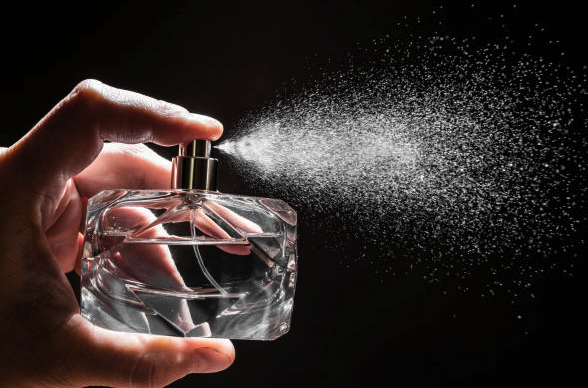
The Longevity Problem (And Why It Happens)
You spray your perfume in the morning, and by lunch it’s gone. Sound familiar? You’re not alone. Fragrance longevity is one of the most common frustrations among perfume wearers. What many don’t realize is that it’s not always about the perfume itself—it’s often about how you’re wearing it.
Everything from your skin type to your environment affects how long a scent stays with you. That’s why more people are testing out different application methods, base notes, and daily routines through a perfume subscription. It’s not just about variety—it’s about understanding how to make fragrance work better for your lifestyle.
If you want your scent to go the distance, it takes more than a few random spritzes.
Start with Skin Prep
Dry skin won’t hold scent. Period. If you want perfume to last, moisturized skin is essential. Fragrance molecules bind better to oils than to dry patches, which means they’ll stick around longer and diffuse more evenly.
Apply an unscented lotion or body oil right after showering, while your skin is still slightly damp. This creates a hydrated base that holds fragrance better throughout the day.
Some people also use a small amount of petroleum jelly on pulse points before spraying. The balm traps the fragrance and slows down evaporation—especially useful in colder months or drier climates.
Choose the Right Application Points
Fragrance fades faster on areas exposed to constant air or friction. Spraying your wrists might be a habit, but if you wash your hands often or wear long sleeves, that scent will vanish fast.
For better longevity, try these less-disturbed pulse points:
- Inner elbows
- Back of the neck
- Behind the ears
- Chest and collarbone
- Behind the knees
These spots stay warmer and tend to be more protected from the elements, allowing scent to develop gradually and stay noticeable longer.
Don’t Rub—Ever
It’s one of the most common mistakes: spraying perfume on your wrist and rubbing it together with the other. That friction doesn’t just blend the scent—it breaks down the top notes and speeds up evaporation. You’re literally shortening your fragrance’s life.
Instead, spray and let it sit. Give it a few moments to absorb into your skin naturally. This allows the fragrance to unfold the way it was designed to—top, heart, and base notes all intact.
Spray on Clothes (Carefully)
Clothing holds scent longer than skin, especially fabrics like wool, cotton, or silk. One or two light spritzes on your shirt or jacket can extend the presence of your perfume without the same rapid evaporation you get on warm skin.
Just be cautious. Some perfumes can stain delicate fabrics, especially those with darker oils or dyes. Always test on a hidden seam first, or spray from a distance to create a fine mist that settles evenly.
Clothing applications are best for cold days or when you want the scent to stay with you all day without needing a touch-up.
Layer for Endurance
One of the most effective ways to extend fragrance life is through layering. This doesn’t mean combining two perfumes. It means using complementary scented products that reinforce each other—like body wash, lotion, and perfume in the same note family.
If you’re not loyal to one scent year-round, you can still layer with unscented bases or neutral-scented body oils. These hold the fragrance without competing with it.
With access to a wide range of smaller fragrances through a perfume subscription, you can experiment with light layering combinations until you find one that holds up.
Adjust to the Season
Heat makes perfume evaporate faster. Cold makes it sit tighter on the skin. If you live in a place with seasonal extremes, adjust your fragrance application accordingly.
In summer, apply to clothes and avoid over-layering. In winter, apply to moisturized skin and pulse points under your clothing to trap warmth and encourage diffusion.
The same fragrance can perform differently depending on the environment. If you notice something fades fast during one season, don’t write it off. Test it again under different conditions before giving up on it entirely.
Go for Notes That Stick
Some scent families simply last longer than others. If you want all-day performance, look for base-heavy compositions. These include:
- Woody notes like sandalwood and cedar
- Resins like amber, benzoin, and labdanum
- Musks and leathers
- Spices such as clove, nutmeg, and cardamom
Top notes—like citrus, green tea, or light florals—will always fade faster. They create the initial impression but rarely linger. Focus on fragrances with strong bases if staying power is your priority.