
What Makes Stainless-Steel Hinges Heavy-Duty for Cleanrooms and Cold Chains
In settings where every detail counts-research labs, pharmaceutical plants, and food-storage trailers-hardware isn't just the stuff that keeps doors swinging.
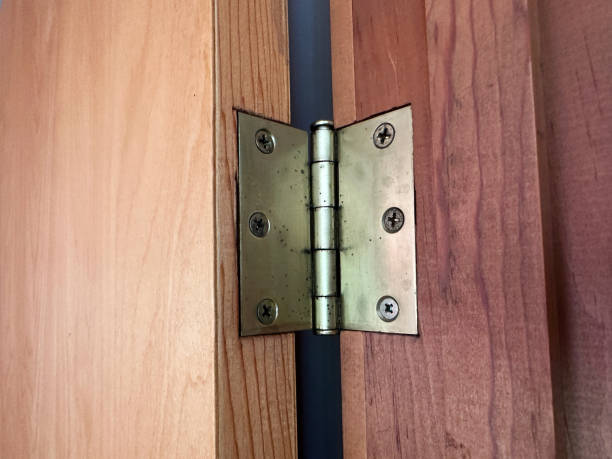
Heavy-duty stainless-steel hinges seal access points with all the strength, germ-proofing, and low-friction action that modern equipment demands. They shrug off chlorine, humidity, frequent cycle times, and the occasional bump from a cart, yet keep the door travel silky and quiet. In the following sections we'll break down exactly what heavy-duty really means, from tensile strength to surface polish, and offer insight buyers can use when they browse an industrial-parts supplier catalog.
The Demands of Cleanrooms and Cold Chains
Cleanrooms and cold chains are engineered to be extreme by choice. Cleanrooms limit dust and microbes through filtered air, seamed walls, and steady positive pressure, while cold chains shield temperature-sensitive goods from heat swings by routing air, coolant, and insulated box cars in lockstep. Any bolt, latch, or hinge that moves into these zones will share the pressure, so it must pass tests of corrosion, fatigue, and surface cleanliness often for years with zero downtime.
Cleanrooms-popular in factories that make drugs, computer chips, medical devices, and parts for rockets-need gear that creates as few extra dust bits as possible and won't get dirty itself. Fixtures and devices should have smooth skins, wipe clean in seconds, and shrug off the chemicals custodians use each day.
Cold-chain work-which includes packing meats, trucking ice-cream, storing vaccines, and shipping high-tech lab samples-asks gear to keep running at chilly or changing temps and often in steamy air. Here, every bolt, latch, and loop must seal tight or the entire load can spoil before customers see it.
In both cases, heavy-duty stainless-steel hinges that stay clean and keep working are non-negotiable. Weak or rusting parts let air slip in, spoil temperature patterns, spread germs, or simply bend and break, opening the door to serious safety problems and costly fines.
What Makes a Stainless-Steel Hinge "Heavy Duty"?
The phrase heavy duty gets tossed around so much that it almost stops meaning anything. In clean-room and cold-chain plants, however, it maps to real traits-strength, precision, and a design meant to last that testing cycle-torture long after standard hardware would have quit.
- Material Grade-Genuine 304 or 316 stainless usually get the call because both resist rust and hold good strength. Where chemicals spray or drip harder on the job, 316-with its extra molybdenum-hands down the better choice.
- **Load Capacity-every hinge is sized to hold a hefty door or panel under daily use without sagging, rattling, or simply snapping.
- Cycle-Testing Toughness: Quality hinges are expected to survive thousands, even tens of thousands, of open-close cycles without a hitch.
- Seamless Build: Smooth, uninterrupted surfaces stop dirt and germs from hiding, so cleaning crews can sterilize quickly and thoroughly.
- Temp Tolerance: From ice-cold storage rooms to high-pressure autoclave runs, the hinge should work smoothly at both extremes.
- Corrosion Shield: A good hinge laughs off bleach, saline mist, and moisture whether in a chilly corridor or a hot-room.
Smart industrial-part suppliers back every promise with real test data, certification badges, and documents that prove the hinge meets GMP, FDA, or ISO 14644 rules.
Where Heavy-Duty Stainless Hinges Really Matter
Let’s look at labs and factories where ordinary hardware simply won’t cut it. In these places, the wrong hinge could shut down a line, spoil a batch, or trigger a regulatory headache.
Pharma Cleanrooms
Inside a pharmaceutical cleanroom, even a tiny crack can let in particles that ruin a sterile batch. Doors are often set to swing in pressurized air, so every piece of hardware needs the strength to hold the seal.
Heavy-duty stainless-steel hinges end up on:
- Cleanroom entry doors and pass-through panels
- Storage cabinets for sensitive lab gear
- Airlock portals and sterile supply closets
Because these areas get scrubbed with strong chemicals and are watched by auditors at all times, the hinges must resist rust, look seamless, and vanish into the building design.
Food Cold Storage and Packaging
In factories that keep food fresh, tough hinges show up on every fridge door, cooling-panel hatch, and packing station. These parts work day and night in minus-30-degree chill yet still shrug off rust, moisture, and germs. When made from heavy-duty stainless steel, such hinges:
- Stay strong and flexible in deep cold
- Stop sagging doors that waste energy
- Clean up quickly with one swipe
Pair them with quality seals, latches, and shelves from a trusted industrial parts supplier, and a plant gains safer lines, better product, and more run-time.
Biomedical and Laboratory Facilities
In biomedical labs and storage rooms, looks take the back seat to precision, reliability, and deep-clean hygiene. Engineers need hinges that swing open fast yet lock out dirt, and that do not weaken after dozens of cycles. Common heavy-duty jobs include:
- Vaccine-refrigerator doors
- Blood-bank deep freezers
- Autoclave-loading trays
Choosing stainless-steel hinges rated for cold and clean rooms gives users faultless access while guarding every sensitive sample stored inside.
Refrigerated Transport Vehicles
The hinges on refrigerated trucks and mobile cold rooms are always moving, shaking, and facing rain, snow, or sun. They need to:
- Take big swings in temperature from -20F to 70F
- Keep doors straight and locked during every bump
- Open quickly while sealing in the chill
Heavy-duty stainless steel does the job no matter where or what is being hauled.
Semiconductor and Electronics Cleanrooms
Inside the spotless rooms where computer chips are made, even the smallest screw can ruin a batch. So, stainless-steel hinges have to:
- Shed almost no dust or debris while they work
- Move quietly and exactly, panel after panel
- Block static sparks and clingy particles
In this world, tough hardware matters because every detail can make or break a shipment.
Sourcing the Right Hinge from an Industrial Parts Supplier
Picking the right industrial parts supplier is almost as important as picking the parts themselves. A good supplier should be able to show you:
- Material Certifications like RoHS and REACH, plus grade papers for 304 or 316 stainless steel
- Technical Support, with engineers ready to advise on how the hinge will hold up in your setup
- Product Testing Information, including cycle tests, corrosion charts, and load ratings you can trust
- Customization Options for special sizes, finishes, or mounting holes when the standard part won't fit
So, when you hunt for heavy-duty stainless-steel hinges for a cleanroom or cold-storage door, double-check that every hinge matches both the mechanical load and your industry rules.
Looking Ahead: Trends in Hygienic and Cold-Environment Hardware
As factories demand cleaner runs and smarter gear, the humble hinge is getting a hi-tech makeover. Watch for these trends:
- Smart Hinges packed with tiny sensors that track temperature, cycles, or access in the cold chain
- Low-Profile, Flush-Mount Models that leave no ledge for dirt and cut snag risks in cleanrooms
- Quick-Release Hinges you can pop off by hand, speeding up cleanup and routine checks
- Electropolished Finishes that drive away rust and make it harder for germs to stick
- Hybrid Materials that mix stainless-steel strength with softer polymers for quieter, gentler motion
Choosing modern hinges lets facilities stay ahead in compliance, efficiency, and sustainability.
Conclusion
In cleanroom and cold-chain worlds, reliability begins at the hinge. stainless steel hinges heavy duty that shrug off mechanical stress, chemicals, and wild temperature swings form the backbone of smooth operations in these tough settings.
When B2B buyers and engineers team up with a trusted industrial parts supplier, they lock in hardware that boosts equipment life, meets rules, and keeps workflows seamless. From biopharma labs to refrigerated trucks, picking the right hinge may seem small, but its impact is enormous.