Norway's Viking Age Collections: What Survives, Where It Is Kept and What the Ships Actually Show
Norway's Viking Ships Museum: What's On Display and What It Means
Norway’s best-preserved Viking ships — Oseberg, Gokstad and Tune — form the core collection of the Museum of Cultural History. However, the former Viking Ship Museum is currently closed and being rebuilt as the Museum of the Viking Age, scheduled to reopen in 2027. During the closure, Viking Age objects are accessible at the Historical Museum in central Oslo.
Where Norway’s Viking Ships Are Kept Now
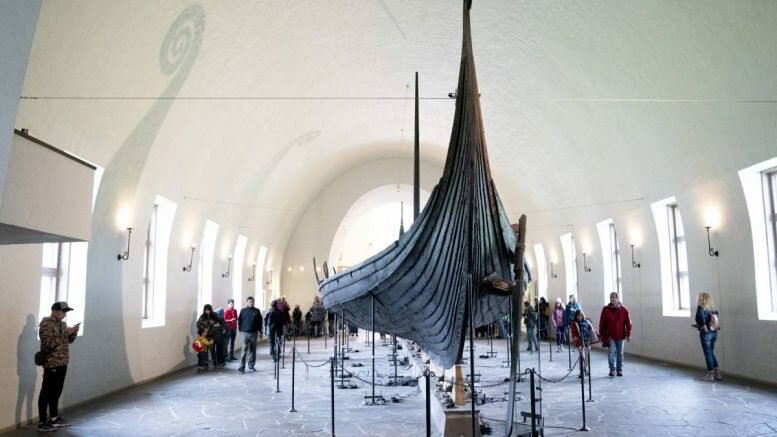
The Oseberg, Gokstad and Tune ships, key elements in Norway’s rich Viking heritage, most recently resided in the now-closed Viking Ship Museum on Bygdøy, Oslo.[2] Every one of these ships represents a significant portion of the museum's century-long visitor appeal, averaging 430,000 visitors annually before the closure.[3] Each of these remarkable vessels is also counted among the world’s most exceptionally well-preserved remnants of the Viking Age.[4]
Both Historical Museum and Museum of Cultural History share the burden of temporarily housing pieces from the Viking collection during the re-development phase. Throughout the closure period, the Historical Museum will host a dedicated Viking Age exhibition titled “Miðgarðr – The Mythical World of the Vikings,” presenting original objects from the period to curious visitors.[5]
The Oseberg Ship: Art, Burial and Preservation
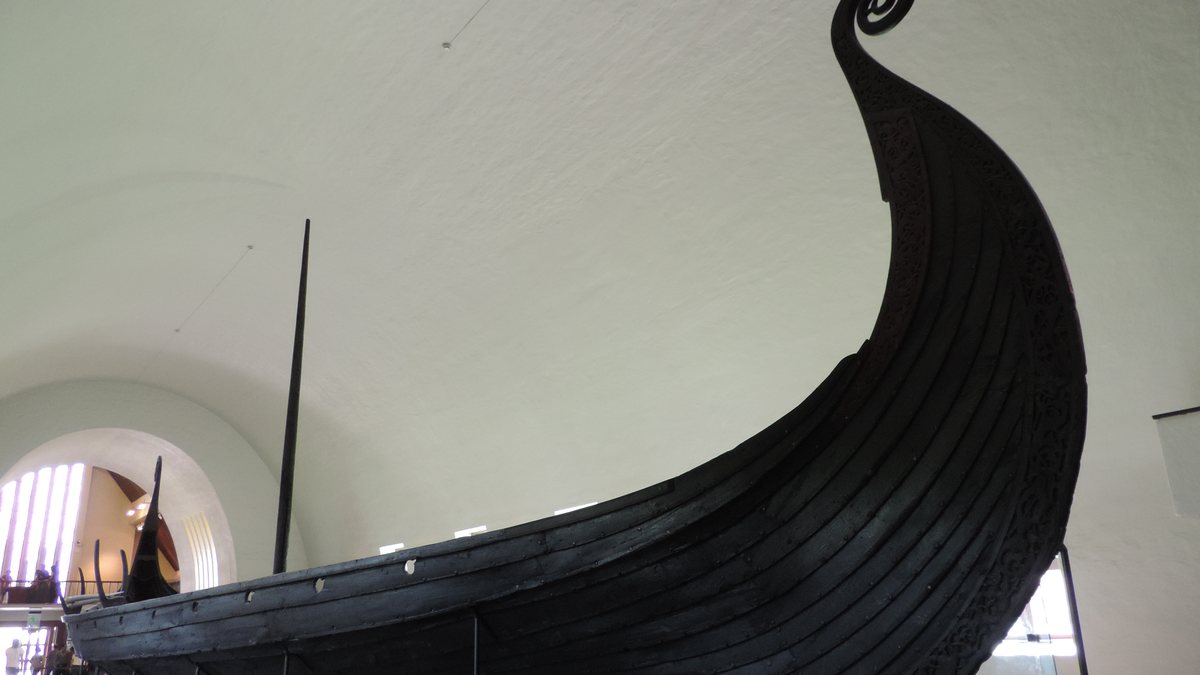
The Oseberg ship is a stunning testament to 9th-century Viking craftsmanship. Built in 820 CE, this elegant oak V-shaped boat exemplifies the Viking era's superior ship construction.[4] Constructed to be around 22 meters long and 5.1 meters wide, it is notably one of the best-preserved Viking ships globally.[3] Discovered at a ship burial just outside Tønsberg, Vestfold, the Oseberg remains demonstrated the high regard Vikings had for ritual burials, as the craft was laden with grave goods and buried as a final journey for resting purposes.[5]
Structure-wise, the Oseberg provides invaluable insights into Viking ship construction, acting as a starting point for understanding the structural development that saw Norse ships evolve from being mere transports of goods to speedy oceanic combat vessels and symbolic burial tools.[6]
The Gokstad Ship: A Sea-Going Longship
Among the three ships, the Gokstad ship is the largest. Built around 890 CE, the *Gokstad'*s construction reflects the Viking era's unparalleled genius in maritime engineering. Made of oak, the ship spanned about 23.22 meters in length and 5.18 meters in width at its full scale, featuring 16 pairs of oar holes.[4] Apart from its physical attributes, the Gokstad displays an in-depth understanding of sea-worthy design, rightfully realising Viking's ocean-born assertiveness and prowess.
In terms of historical relocation, the Gokstad ship is as interesting as it is historical. The ship was initially divided into two segments, transported to the Viking Ship Museum building in 1929, fully reconstructed, and opened to the public in 1932. Later, on 29 October, the vessel was fitted and moved into the current Museum of the Viking Age building as part of the conservation and display project.[7]
Tune and the Wider Ship-Burial Collection
The Tune ship is an essential part of the cultural landscape, too, representing the range of Viking graveships. Together, the Oseberg, Gokstad, and Tune ships form a significant collection of burial ships, integral to understanding the Viking people, their culture, and burial rituals. These vessels were not just husks; they usually carried other implements, from horses to slaves, into the afterlife as offerings.[8]
One striking shared attribute of these ships is their chronic public display. Until 2021, the public could enjoy the ship’s collective grandeur, having been in public display for almost 100 years.[9]
Beyond the Ships: Viking Age Objects and Rune Stones
Other Viking material exists beyond ships, weapons and grave implements. The University Museum of Bergen, for example, keeps a rich collection of runestones, showcasing the Vikings' advanced writing system and historical inscriptions, open to the wider public.[10] Similarly, in Oslo, the Museum of Cultural History boasts extensive displays of artefacts from the Stone Age to the Middle Ages, including everyday Viking items, coins, and trinkets, revealing a slice of Viking life beyond the seafarer.[11]
Planning a Viking Museum Visit to Norway
If you’re planning a visit to Norway to see the real-life Viking ships, here’s what to expect. Though the Viking Ship Museum is currently closed, the Historical Museum in central Oslo houses the extant Viking items. After the reconstruction, though, the new Museum of the Viking Age is expected to open sometime in 2027, providing unparalleled insights into the life, transport, and culture of Viking individuals. Similarly, the Museum of Cultural History maintains extensive collections, from the earliest Stone Age to the Viking Age, which will also be of interest to the visiting Viking enthusiast.[12]