Norway's Year in Traditions: 17 May, Midsummer, Jul and the Rituals Behind Them
Discover Norway's Year: 17 May, Midsummer, Christmas and the Uniquely Norwegian Traditions
In Norway, the rhythm of the year is shaped by a few pivotal celebrations that bring the nation together in widely observed rituals and rituals that are uniquely and recognisably Norwegian. For a newcomer or visitor, knowing what these key dates are and what they mean is essential to navigating the Norwegian social calendar.
A Constitution Signed in Spring: 17 May as Norway’s Public Heart
Norway’s most important public holiday falls on 17 May, when the country celebrates Constitution Day. This is the national day that commemorates the signing of the Norwegian Constitution on 17 May 1814 at Eidsvoll, and is the equivalent of 4 July in the US: a day for Norwegian identity and civic pride.
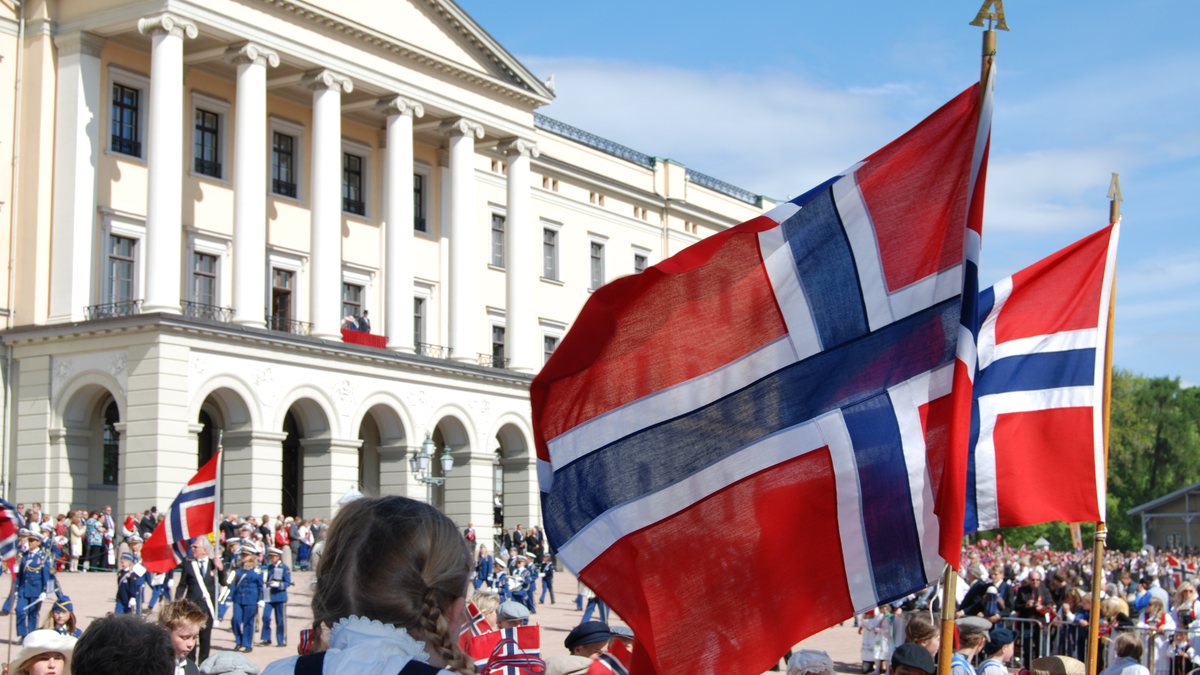
In the capital Oslo, the official programme includes a gun salute, a concert, and the main event: a children’s parade that starts from the main gate of Akershus Fortress at 10:00. The children march through the city centre up Karl Johans gate towards the Royal Palace, where the crowds gather and the Royal Family greets them. [TO VERIFY: Parade attendance estimates - editor should consult event organisers or Norwegian media coverage after 2026 parade has taken place.] Throughout the country, schools and many workplaces are closed, and the day is marked by an abundance of the Norwegian flag: in street decorations, on homes, and carried by children in parades.
17 May’s official title is the long “Grunnlovsdagen” (Constitution Day), but everyone calls it simply “Syttende mai” (Seventeenth of May), and it has a strikingly child- and family-focused character. Unlike military parades in other countries, Norway’s celebration is a non‑military event, where children rather than soldiers carry the flags. This reflects a broader ethos in Norwegian society of being egalitarian and inclusive, and manifesting civic pride without an authoritarian edge.
Light Over Darkness: Sankthans and Midsummer Bonfires
While 17 May is a celebration of national unity and identity, Sankthans or Midsummer’s Eve marks a more seasonal and communal moment: every year on the evening of 23 June, thousands of Norwegians gather to light bonfires. This event is a key turning point in the public calendar, timed between the constitutional celebrations of the spring and the run-up to the Christmas season in the winter.
Sankthans is a celebration of the long summer days and the triumph of light over darkness; the bonfires are their central symbol, a calling forth of the sun’s power. One particularly famous site for the celebration is in the city of Bergen, where the annual Tønnebålet bonfire is lit using a barrel: the Tønnebål, synonymous with the event, is a specific improvised bonfire structure that the local volunteers use every year. [TO VERIFY: Official estimates of attendance numbers for Bergen/Oslo Midsummer bonfires - editor should consult authors of Tønnebålet and other Midsummer Eve reports or organisers].
The bonfires take place in many towns and cities, as well as in the countryside, on beaches, and in private backyards, with spreadings of birch twigs and flowers woven in, symbolising longer days and coming of summer. Many gatherings are held on wide verandas, open spaces well suited for bonfires and traditional Norwegian music.
From Winter Solstice to Jul: Norway’s Christmas Season
Where Midsummer’s Eve is the celebration of the longest days of the year, Jul, the Norwegian Christmas, is the longer period that marks the shortest days and the arrival of winter. The word “Jul” itself comes from an ancient winter solstice festival in Nordic languages. In practical terms, Jul season begins with Advent in November, and ends with Epiphany on 6 January — although many modern Norwegians use the term simply to mean the period from Christmas Eve to New Year’s Day.
Throughout the month of December, Norwegians mark Jul with a sequence of distinct phases. It begins with Advent, a pre-Christmas period of anticipation in schools and families. This is followed by Julaften (Christmas Eve), the main Christmas celebration; Romjul, the midfestive season between 25 December and New Year’s Day; Nyttår (New Year); and ends with Epiphany as the legal finishing day. Throughout the five‑phase Jul season, Norwegians put up Christmas decorations, sing Christmas carols, and exchange gifts, but the central tradition of the day, distinctively Norwegian, is julebord.
The Julebord Tradition: From Medieval Assemblies to Office Parties
A key feature of the Norwegian Jul season (especially for adults in Norway) is the julebord, which is typically a festive evening meal with colleagues in a workplace or among friends. Julebord, originally from medieval Norway, can be traced back to communal parties held at regional assemblies called Gulaþing; Julebord are also referred to as “Christmas table” in English. During the month of Jul, many workplaces in Norway organise a meal for co-workers to meet and celebrate the Christmas together.
In practice, a julebord is a social gathering that includes dinner, speeches, drinking, and dancing. Food and beverages often focus on Norwegian traditions: salted lamb, pinnekjøtt (cured lamb ribs), Christmas sausages, pork belly crackling, and sauerkraut, along with Norwegian aquavit to accompany it. Some workplaces are known to have particularly lavish julebord celebrations, often hosted at an upscale location, with colleagues and friends as invited guests.
What’s On the Table: Food, Drink and Expectations at Julebord
When you join a julebord, you can expect a theme of Norwegian Christmas foods, from salted lamb to “lute fish“, a traditional Norwegian Christmas fish that is dried cod treated with lye but is dry and flaky. Other common Norwegian Christmas foods include “pork belly crackling”, a crispy mass of pork, along with “cranberry sauce” and a “sauerkraut”, staple side dishes in Norwegian homes on December 24. Not to forget, Norwegian “Christmas sausage”. It’s “traditional spiced meat sausage,” and other ingredients and “not spicy,” according to a description by a Norwegian food historian.
With foods and conversations comes Aquavit, the drink of choice, flavored with spices and seasoning used in Scandinavia for centuries.[TO VERIFY: Availability of aquavit at Norway julebord parties - editor should consult with Norwegian culture or tourism representatives]. This bracing and oily spirit, usually taken as a straight shot from the bottle or chilled shot, is said to warm the stomach on a cold winter’s evening, and it’s typical at most Norwegian julebord events. [TO VERIFY: Norwegian julebord menu/items - editor should consult culture and foreign embassy representatives].
From meals to julebord, Jul is a season defined by distinct ways of celebrating, even for newcomers. Advent decorations, the preparation and lighting of Sankthans bonfires in the midst of the year’s longest days, and at the other end, the long, ritualized traditions of julebord meals and aquavit drinking are part of the way Norwegians make sense of seasonal time, still in 2026 and going forwards.