Norwegian Food Beyond Salmon: Brown Cheese, Fermented Fish, Kvæfjordkake and the Everyday Table
Only slightly related to salmon, the everyday Norwegian food experience revolves around the simple schooling and working life staple of the packed cold lunch or matpakke.
The Cold Bread Table – Breakfast and Matpakke
An ordinary weekday's routine in Norwegian food culture is defined by three meals, arranged around cold bread-based meals at breakfast and lunchtime, and a warm dinner. Breakfast, called frokost, is a quiet, cold meal with wholegrain bread topped with butter, cheese, salmon or a square of brunost. Lunch is a packed meal, carried in the morning, containing the same ingredients, in the form of matpakke, sandwiched between waxed paper to keep every layer visible and stable. The meal is carried by workers and schoolchildren, eaten during a short lunch break. When prepared, the bread slices are placed in a lunchbox, between mellomleggspapir, topped with local ingredients, arranging them to sit side by side rather than stacking on top of each other, with fruit, vegetables and liquids such as juice or water.
At the cornerstone of this is the humble bread itself. The matpakke consists of 2-4 slices, often separated by mellomleggspapir. It is common for the slices to be topped with selected toppings, known as pålegg, before being wrapped up. Typical choices for these toppings often include cheese, brunost, and meat-based options like smoked or marinated salmon or smaller oily fish, reflecting the country's culinary tradition for these items.
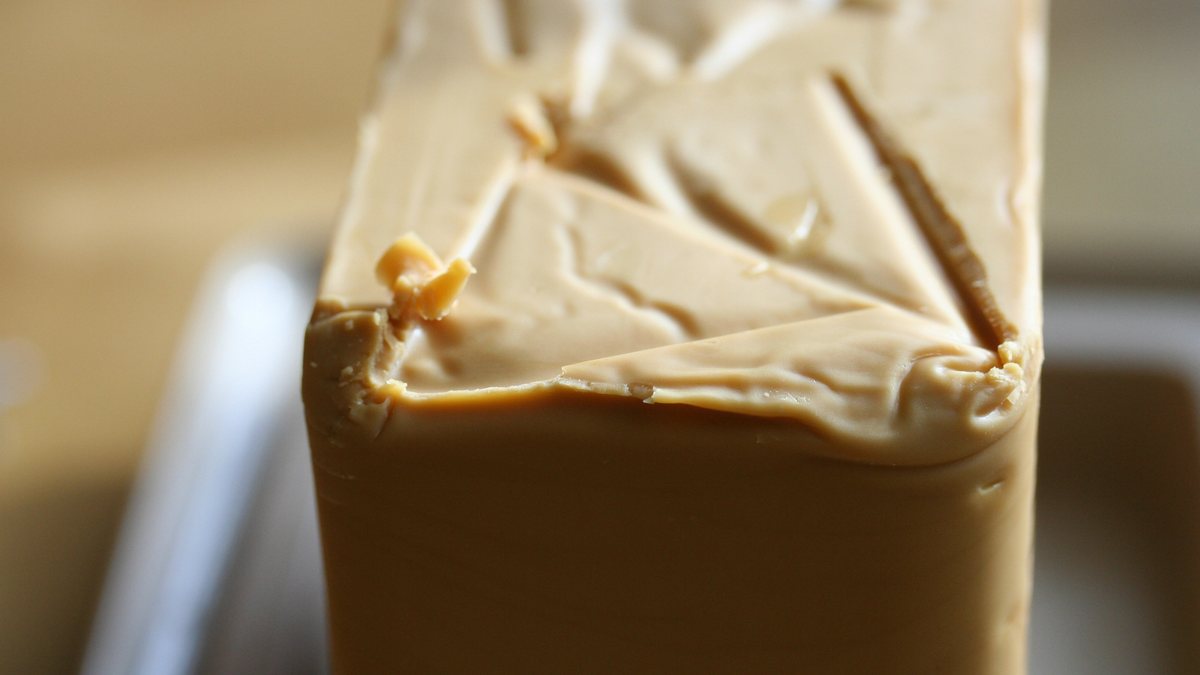
Brunost and the Everyday Cheese Shelf
One potential candidate for the topmost Norwegian culinary export other than salmon is brunost, a traditional brown cheese manufactured by caramelizing milk, whey, and cream. It is part of the morning routine for most people in Norway, eaten with almost every cold meal including frokost and matpakke. It underpins the shelves in supermarkets, where most Norwegians source their produce. The most popular variety is called Gudbrandsdalsost, also referred to as mysost. During food import, this has been noted by foreigners as resembling carrot cake, due to its subtle yet distinctive natural flavors.
In the Norwegian cuisine, brunost, being a fermented dairy product, is the predominant cheese, ubiquitous in supermarkets and eateries. It is a typical spread on bakery products and crispbread. Grown in lyngen municipality, Gudbrandsdalsost is the most common variety consumed, and, hence, most Norwegians enjoy brunost daily, to some extent.
Fermented and Lye-Treated Fish – Rakfisk and Lutefisk
Fermented and lye-treated fish play a significant role in Norwegian everyday menus. Rakfisk, a traditional alternative to salmon, is made from trout or sometimes char, fermented in brine. The raw, salty fish is then eaten cold, often as a sandwich topping or just as is. It is especially popular as a Christmas food, and has a minor but significant presence, with a more prominent history, in this tradition.
Lutefisk on the other hand is prepared by submerging dried cod in lye, breaking down the fish flakes into a soft, jelly-like texture. It bears an almond-like flavor; popularly seen as a favorite Christmas food in Norway today.
Salmon and the Everyday Dinner
Salmon underpins the export statistics in Norway, but its role in the dinner scene cannot be underscored. There are as many ways to prepare salmon for the everyday table as chefs there are in Norway. From the modest dinner of ordinary vacationers to the traditional options like a smoked salmon slice or gravlax, salmon has gone beyond a seasonal menu item and crucially, meal option, of Norway, to a food that is ingrained in the everyday pantry.
Bakeries, Bread and the Everyday Pastry Stop
The Norwegian food structuring, in total, is deeply rooted in the influence of bread in the country. It is the dominant segment of Norwegian cuisine, beneath the salmon industry. Part of nearly every meal and every retail store, among other exports, and more breads, every day, than an entire state, the consumption and production of bread in Norway is significant. Kvæfjordkake, also called "the world's best cake," is one result of this. Made with brunost and often portrayed online as nearly as popular as brunost, only a few sources actually portray a wider presence of the cake.
Another key difference between, say, the United Kingdom, and Norway, is the access to baked foods and groceries, or the marketability of the product in general. Taverns, cafes, pubs and other bakeries, are much more common and further diversified in Norway than one would expect. This bread-enabling landscape enables Norway to be such a strong bakery nation.