Nobel Peace Prize in Oslo: Who Chooses, How the Committee Works and Why It Sits Apart
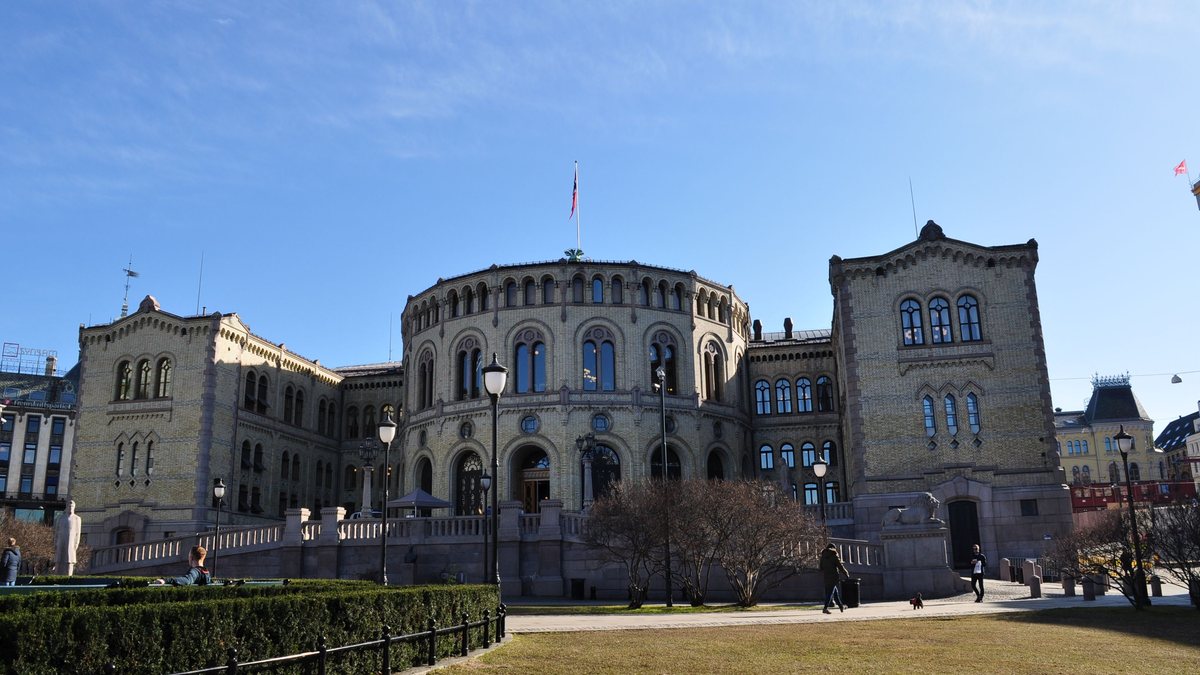
Every 10 December, the Nobel Peace Prize is awarded in Oslo City Hall — the only Nobel ceremony held outside Sweden — by a five-member Norwegian committee appointed by the Storting, operating under strict 50-year secrecy rules.
The Only Nobel Prize Awarded in Norway
Unlike the other five Nobel Prizes, which are awarded in Sweden, the Nobel Peace Prize has a unique connection to Norway. [2][10][11][12] This distinction traces back to the will of Alfred Nobel, the Swedish industrialist and inventor whose fortune established the prizes. Nobel's will, signed on 27 November 1895, specifies that the peace prize is to be awarded "by a committee of five persons to be elected by the Norwegian Storting." [1][14]
The other Nobel Prizes — for Physics, Chemistry, Medicine, Literature, and Economic Sciences — are awarded by Swedish organizations. But the peace prize is selected by the Norwegian Nobel Committee, a body appointed by the Norwegian Parliament. [2][5][13] This set-up underlines the importance of Norway in the Nobel Prize landscape, even as the country plays no role in the other awards.
[TO VERIFY: Current nomination rules for the Nobel Peace Prize (eligible nominators, deadlines, and requirements), from the Nobel Foundation or the Norwegian Nobel Committee.]
Alfred Nobel’s Will and Norway’s Role
Alfred Nobel's will is the foundation of the Nobel Prizes, and it explicitly names Norway — not Sweden — as the home of the peace prize. [1][14] Nobel, a Swedish national, was involved in the Swedish-Norwegian Union, a personal union between the two countries from 1814 to 1905. At the time of writing his will, Nobel was living in France but was deeply engaged with politics and thought in Sweden and Norway.
He signed the will at the Swedish-Norwegian Club in Paris, but the will includes no specific explanation for why he chose Norway to host the peace prize. [2][8] Nobel Prize officials and Norwegian academics have offered various theories: some say Nobel wanted to keep the Swedish state from meddling in the peace prize selection; others suggest a deeper affinity with Norway.
Whatever his motive, Nobel’s will makes clear that Norway was to have a role in his peace prize. [1][14] The Norwegian Parliament, then known as the Storting, formally accepted the task of awarding the Nobel Peace Prize on 26 April 1897. On 5 August 1897, it formalized the process for electing and appointing committee members to carry out this obligation. [3]
[TO VERIFY: Whether there have been any changes after 2017 to eligibility rules beyond the exclusion of sitting members of parliament, including current practice on former ministers or government officials serving on the committee.]
How the Norwegian Nobel Committee Is Appointed
The Nobel Peace Prize is awarded by a committee of five appointed by the Norwegian Parliament (Storting). [5][13] This gives the peace prize a unique connection to Norway, even as the other awards are handled by Swedish institutions. The committee members serve six-year terms and may be re-elected. [1][12][13]
In 2017, the Storting decided to formalize a rule excluding sitting members of parliament from serving on the committee. [1] This move underscores the committee's independence from the government and parliament, even as it is appointed by the Storting. The committee is an independent body, and decisions are made without direct parliamentary involvement.
[TO VERIFY: The precise physical and administrative relationship between the Norwegian Nobel Institute and the Norwegian Nobel Committee (e.g., staffing, budget, legal structure), using official institutional operating documents or annual reports.]
Secrecy, Archives and the 50-Year Rule
The selection process for the Nobel Peace Prize is shrouded in secrecy. All nomination letters and related archival material are held at the Norwegian Nobel Institute. [7] This museum and venue operates independently from the Nobel process, and serves to preserve the historical record. [7]
In line with the Nobel Foundation's statutes, the archives hold a full 50-year embargo on the release of any award-related information. [11][15] For instance, the nomination records from 1901 to 1974 have been digitized, but records continue to be released annually. [7][11] This long secrecy period means that, even as the winners of a given year are announced, the selection process is thoroughly obscure.
[TO VERIFY: Any recent procedural reforms or controversies (post-2021) affecting how the committee deliberates or communicates decisions, from official statements or credible institutional reporting.]
Oslo City Hall and the Peace Prize Ceremony
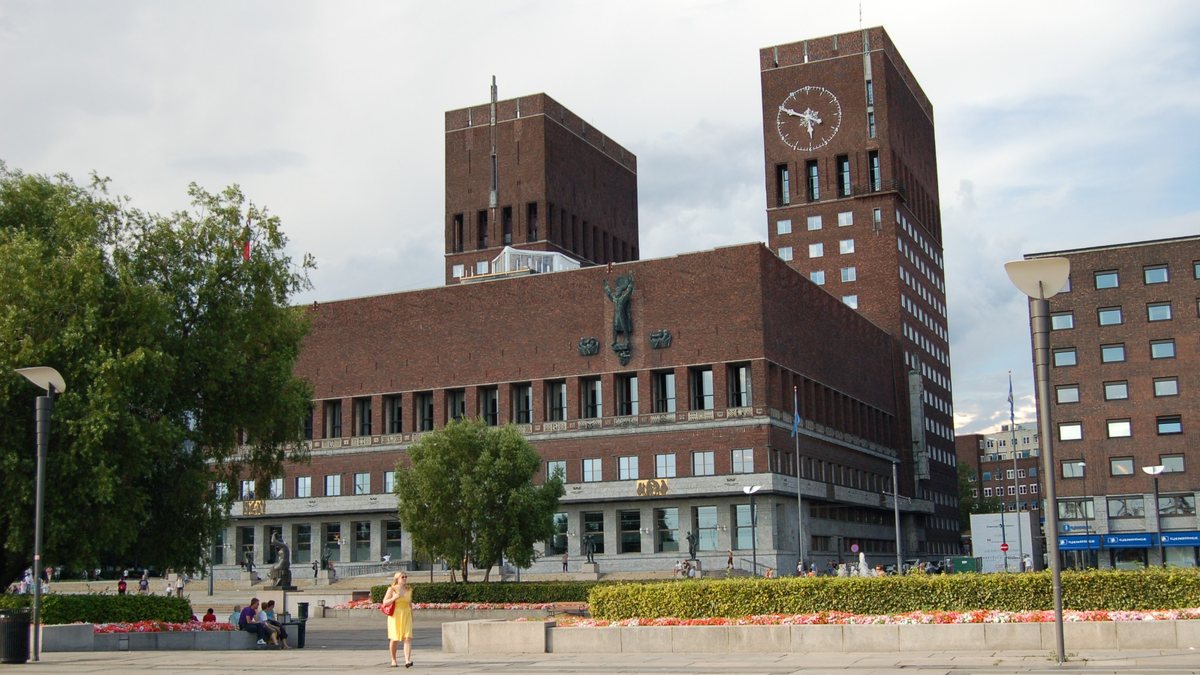
The Nobel Peace Prize award ceremony, which takes place every 10 December in Oslo City Hall, is the only Nobel ceremony to be held outside Sweden. [10][15] The prize is presented by the Chair of the Norwegian Nobel Committee. Since 1901, the ceremony has been held in Oslo, first in the University of Oslo’s assembly hall (1947-1989), and in Oslo City Hall since 1990. [11]
Oslo City Hall, a stunning municipal building designed by architects Arnstein Arneberg and Magnus Poulsson, is often used for concerts, exhibitions, and ceremonies, including the annual Nobel Prize Ceremony and the Annual Speech of the Mayor. It is famous for its art, architecture, and acoustics.
[TO VERIFY: Current nomination rules for the Nobel Peace Prize (eligible nominators, deadlines, and requirements), from Nobel Foundation or Norwegian Nobel Committee.]
A Norwegian Institution with Global Reach
The Nobel Peace Prize, awarded by a Norwegian committee operating with a strict 50-year secrecy regime, is a critical event in Norway and the world beyond. [2][3][4][5][6][12][13] Chosen by an independent committee appointed by the Storting, the award generates international headlines and carries the prestige of the Nobel legacy under a Norwegian banner.
The Norwegian Nobel Committee, which has responsibility for the award, operates with considerable independence from the Norwegian parliament. [12] But it has become an institution with permanence in the nation’s calendar, featuring every 10 December a laureate's acceptance speech in Oslo. [15]
When the chairperson of the Norwegian Nobel Committee makes their way across the red carpet of Oslo City Hall each December, the assembly hushes to hear his words. The winner's name, chosen and kept secret for so long, finally becomes known. [11][15] And once again, the peace prize launched by a Swedish industrialist, to be selected in Norway, centers world attention on the search for an elusive goal: peace on Earth.
[TO VERIFY: Full operating details (including staff allocation, budget, legal structure) for the Nobel Peace Prize Committee versus the Norwegian Nobel Institute, informed by official committee materials/documentation.]