Norway's Winter Sports Model: From Club to Podium
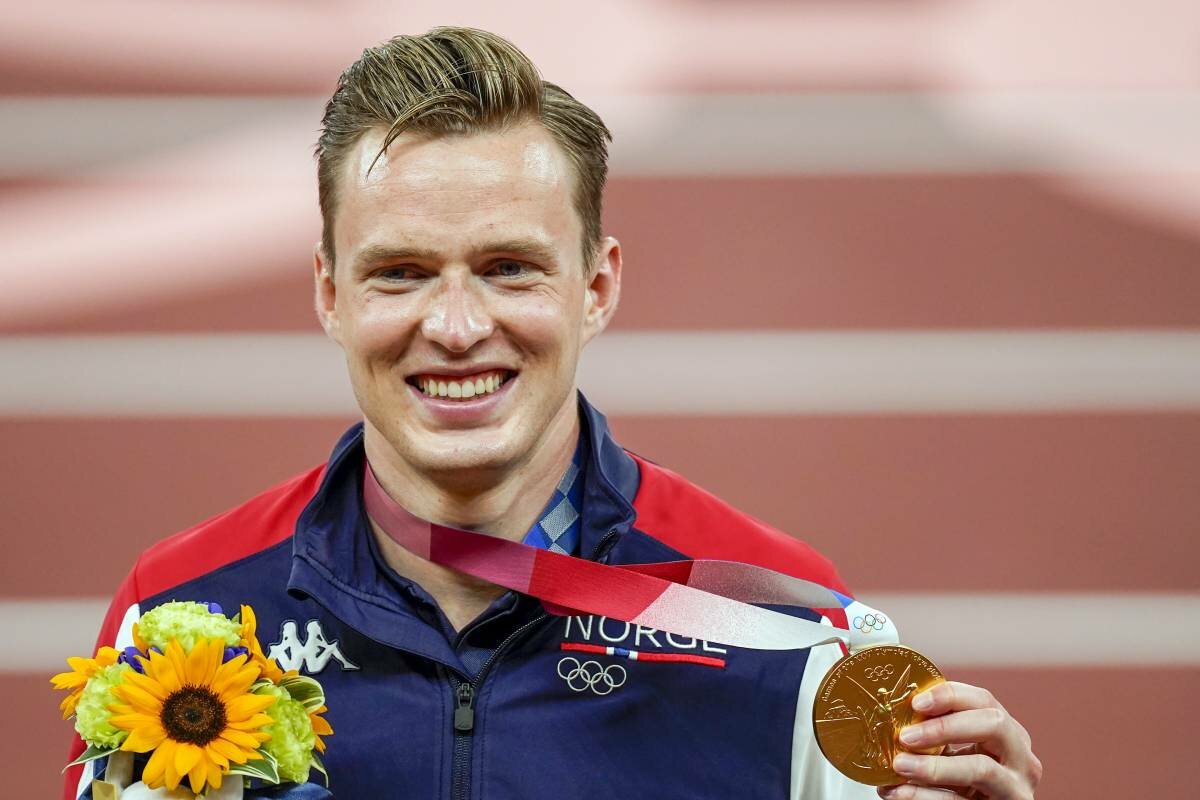
Norway's remarkable dominance in winter sporting events has puzzled many, defying expectations for a nation of just 5.65 million. At the 2026 Winter Olympics, Norway topped the medal table with an astounding 18 gold, 12 silver and 11 bronze medals, the most of any nation in a…
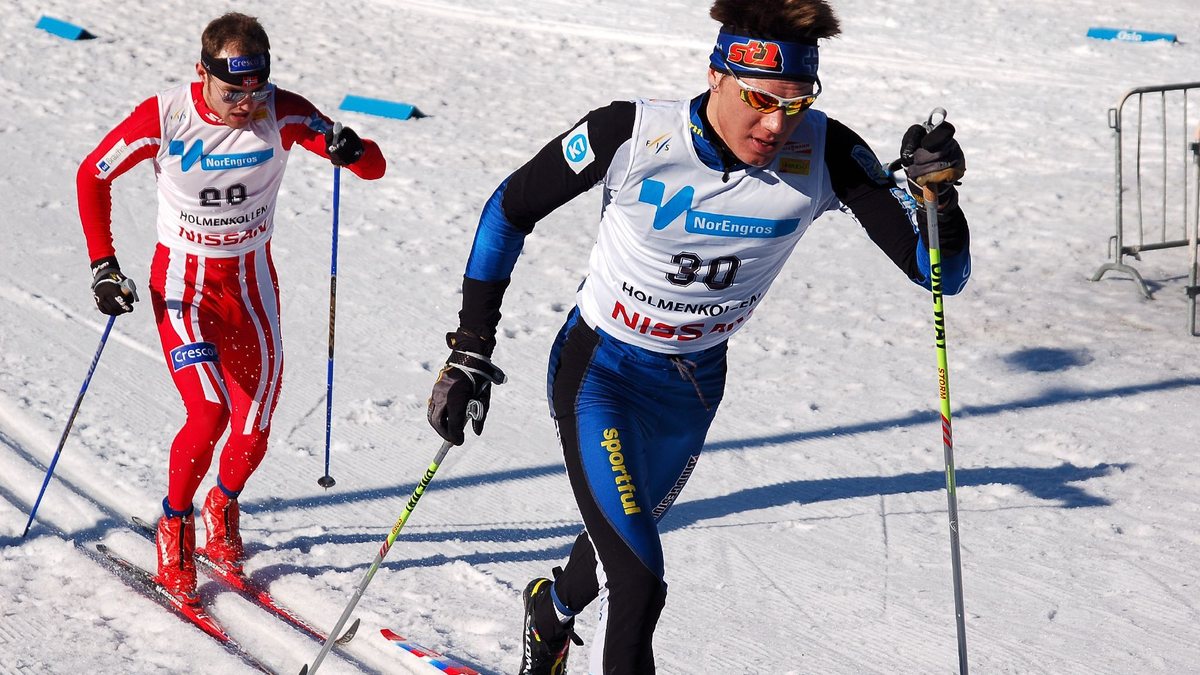
But is this winter magic, or something else? A closer look reveals that Norway's unparalleled success stems from a distinctive sports model, centering children’s rights in sport and a state-backed elite system headed by Olympiatoppen. Together, these pillars create a singular pathway from grassroots participation via local clubs to sustained podium finishes.
A Small Country, Big Winter Numbers
From a population of 5.65 million, Norway has emerged as a behemoth in winter sports on the global stage. At the 2026 Winter Olympic Games, the country won a record 18 gold medals, [10] far outpacing other contenders. Measured by population, Norway's per capita medal count of 0.73 per 100,000 inhabitants offers a stark contrast to that of larger nations, illustrating a small country with big aims.
While much of the world has fixated on inherent Norwegian traits as an explanation for this outlier performance, a closer look suggests the key to the Scandinavian nation's sporting prowess may reside less in mythical mountain vikings, and more in a distinct sports development model that privileges participation, fun and safety at the youth level, and harnesses those thoroughly instilled values later through a concentrated championship hunt reigned over by Olympiatoppen.
Children's Rights Before Podiums
Norway's children's sports model positions children's rights, participation, safety and enjoyment at the centre of its sporting structure. Adopted by the Norwegian Olympic and Paralympic Committee and Confederation of Sports (NIF) in 2007 and revised in 2019, the "Children's Rights in Sport" framework is explicitly modeled on the UN Convention on the Rights of the Child. [2] This formal legislation is legally binding for all sports coaches in Norway until the age of 13. [12]
The national framework has a significant impact on the way children's sports are conducted. Under Norway's official provisions, "children's sport" is defined as sports activities for children up to and including the year they turn 12. [6][5] Resulting from this focus, rules of competition for this age group stipulate that lists of results, tables and rankings may only be used from the year children turn 11, if appropriate. They may not participate in championships such as Norwegian Championships, European Championships and World Championships up to and including the year they turn 12. [6]
NIF describes this framework as where "participation, safety and joy of sports for every child are at the centre of all activities." [2]
From Local Clubs to a National System
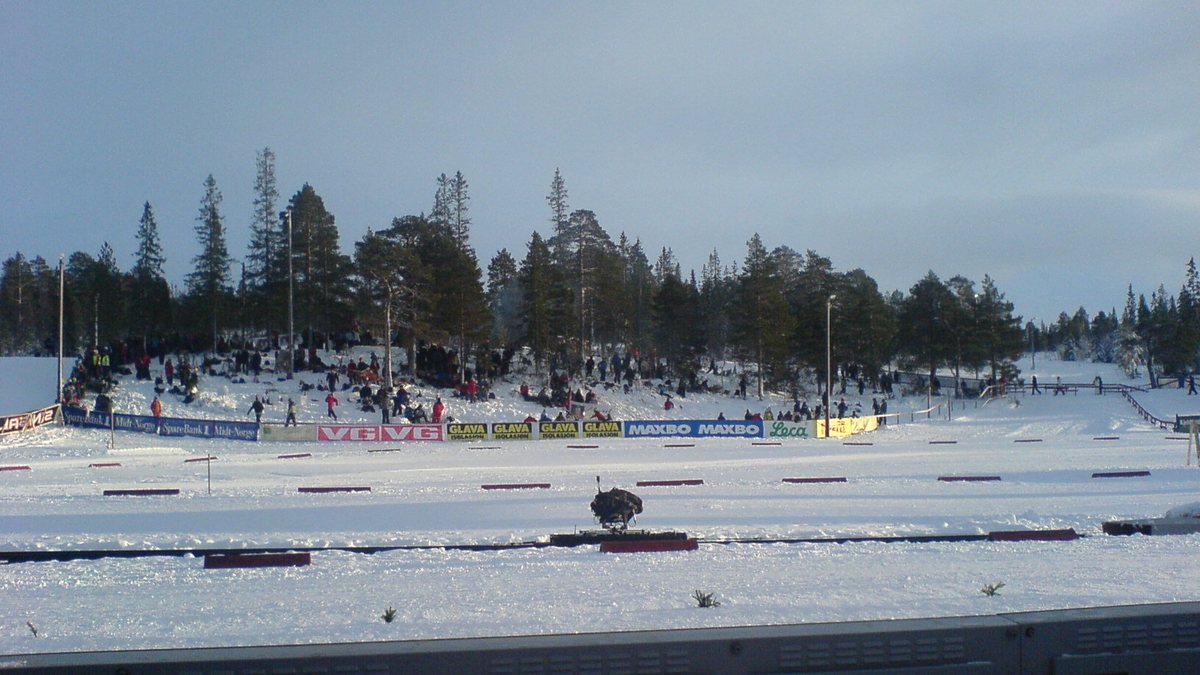
The foundation of Norway's sporting success is its local community clubs. Across the nation, these clubs organize the bulk of Norwegian sports participation, including winter sports, under NIF's umbrella. The institutional structure of national sports is marked by a pyramid hierarchy, with NIF at the apex setting policy and coordinating national programs, while local clubs provide day-to-day participation for youth.
Local clubs are largely comprised of volunteer members, with a strong emphasis on community engagement. This volunteer base has been crucial in promoting broad-based participation and establishing the vital grassroots upon which Norway has built Olympic champions.
Olympiatoppen: The Elite Hub
At the apex of Norway's national sporting structure sits Olympiatoppen, an organization under NIF's jurisdiction that is responsible for developing and training Norwegian elite sport. [7][11] Operating as a central elite hub, this elite hub provides a concentration of focused resources and expertise towards producing results.
Olympiatoppen's responsibilities include overseeing the "national team model" for Norwegian sport, within which specialized sport federations (e.g. the Norwegian Ski Federation) hold responsibility for their own elite sport, while Olympiatoppen has an overarching role for result development in Norwegian elite sport.[9][4] The organization also has operational responsibility for preparation and participation in Olympic and Paralympic Games. [3]
Olympiatoppen operates out of a state-of-the-art high-performance centre in Oslo, developed by the Norwegian Olympic Committee in the lead-up to the Lillehammer 1994 Winter Olympics. The elite training centre features a sports clinic, extensive training facilities, ski simulators, technology equipment, and 32 dorm-style rooms for athletes and staff. [8] This equips Olympiatoppen with a dedicated space for athlete selection and testing, performance monitoring, and year-round preparation.
Commentaries on the organization's role highlight its hybrid position, functioning as a high-performance institute, research-driven support organization, coach education academy and strategic hub in the sporting landscape. [1][13][15] With its responsibilities spanning coach development, elite training, and strategic direction, Olympiatoppen coordinates resources and sets standards across federations, rather than replacing their roles.
A Values-Based Path from Childhood to Elite
Norway's ultimate aim of winning Olympic medals represents the end product of a values-based sporting journey that begins at a very early age, and is steeped in the values of fun, participation, and safety. The "Children's Rights in Sport" provisions, with their focus on regulating competitions and age-appropriate awards, lay the formal foundations for this grassroots-first approach. [2][6] These statutorily binding rights, which are carried by coaches up to the age of 13, [12] provide a formal framework for local clubs to follow in order to ensure that day-to-day sporting activities remain aligned with the nation's core values. [2][12]
As young athletes grow through the club system and into taking on more serious responsibilities, the structures put in place by Olympiatoppen become more central. The national elite system brings together publicly funded resources, research-driven support, advanced training techniques, and strategic coordination to streamline the "athlete pathway" and optimize Norway's medal hunt. [1][13][4][15][3] This enables Olympiatoppen to provide specialized expertise to sport federations, while the federations themselves retain direct responsibility for athlete development in their sport. [9][4]
In this way, Norway's singular sporting success combines cutting-edge elite resources with a deep-seated focus on participation, safety and fun that is established from a young age and persists throughout the sporting journey. While much of the world continues to fixate on the idea of a monumental genetic advantage,
[...] Across the world, much of the conversation around Norway’s dominance in winter sports has fixated on innate Norwegian attributes as an explanation. The race for a simple answer might be desperate, but ultimately fruitless. The specific structures and frameworks that define Norway's sporting ecosystem point to an approach that is both systematic and values-led.
By centering participation, safety and enjoyment for children, Norway's development focuses on qualities as much as race. Step by step, this forms the foundations for a grassroots sporting community spread across thousands of local clubs. It forms the basis for a volunteer-driven model which forms the bedrock of Norway's sporting culture. And crucially, it forms the starting point for those young individuals who later come to represent their country on the global stage.
As Olympic inquiry sputters to find the answer in a supposed mountain viking, the simplicity lies less in any racial advantage and is instead rooted in Norway's own functional sporting ecosystem. It's true that these conditions are rare among other nations, but to frame this as a matter of inborn advantage would be to fail to do justice to Norway's singular sporting model. That model is built on a surprising, perhaps counter-intuitive philosophical foundation: true sporting excellence is built on the same ideas as its values-driven grassroots: participation, safety, fun, and community-based effort.