Chasing the Northern Lights in Norway: Where the Auroral Oval Sits, When to Go and How to Read a Forecast
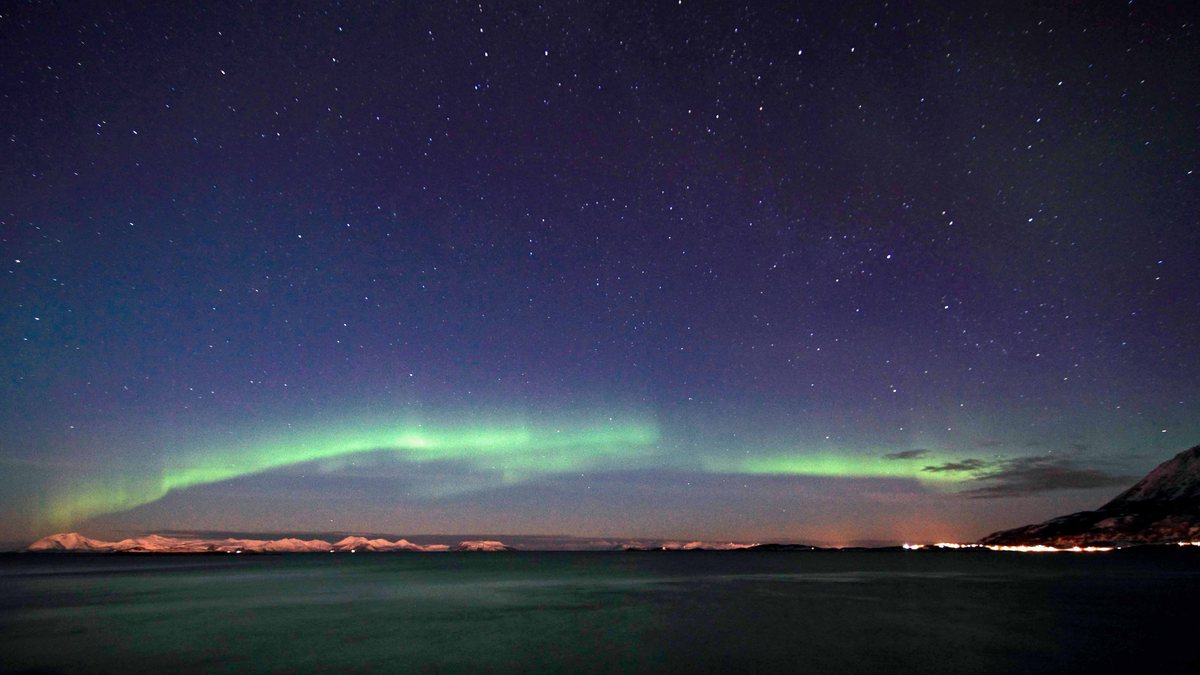
Tromsø, Alta, Lofoten and Svalbard sit directly under the auroral oval, so travelers there often see aurora at Kp 1-3 if the sky is dark and cloud-free, rather than needing a rare geomagnetic storm.
The Auroral Oval and Why Northern Norway Has an Edge
The aurora concentrates in a ring called the auroral oval that typically sits over latitudes around 65–70° north, covering northern Scandinavia. Tromsø is located at approximately 69.6°N, directly under the typical position of the auroral oval, which gives it frequent auroral visibility on dark, clear nights. Alta sits at about 69.9°N, also beneath the auroral oval, and is described as offering some of the clearest inland skies for aurora viewing in Norway. The Lofoten Islands lie near 68°N, just under the auroral oval, and are often recommended as an aurora destination combining northern lights viewing with dramatic coastal scenery. Svalbard lies so far inside the auroral oval that aurora can occur even at Kp 1, meaning almost any geomagnetically active night can produce a display during dark months.
Being under the oval means frequent aurora on any geomagnetically active night, especially in Svalbard at Kp 1.
When to Go: Darkness, Not Just Winter
[TO VERIFY: Precise month‑by‑month probability figures (e.g. “percentage of clear nights with aurora”) for Tromsø, Alta, Lofoten and Svalbard; check Norwegian Meteorological Institute (Yr.no) data or tourism board statistics if available.]
Seasonal darkness, not just cold temperatures, is what you're after. A Norway tourism resource indicates that the best months for Tromsø, Alta and Lofoten are from September to March, because of sufficient dark hours. However, even with good Kp readings, aurora requires complete darkness and will be washed out in twilight or daylight.
Reading the Kp Index: What the Numbers Actually Mean
The Kp index is a planetary measure of geomagnetic activity on a scale from 0 to 9, compiled over three-hour intervals from ground-based magnetometer stations; higher Kp means the auroral oval expands toward lower latitudes. Put practically, Kp 0-2 is considered quiet, with aurora usually confined to polar regions. At Kp 3-4, geomagnetic activity becomes "active", with aurora dipping toward subarctic mid-latitudes. Kp 5 (G1) and above correspond to geomagnetic storms, where the auroral oval can expand further toward populated mid-latitudes.
However, it's important to remember that the Kp index alone does not guarantee visible aurora, because visibility also depends on local cloud cover, light pollution, and the time of viewing.
How Kp Translates Specifically in Norway
In Norwegian towns like Tromsø, Alta, Lofoten and Senja, which are already under the auroral oval, aurora is often visible at lower Kp levels if skies are dark and clear. A practical interpretation table used by a Norway-focused aurora guide suggests that at Kp 2-3, weak to moderate geomagnetic activity produces visible aurora in Northern Norway, while at Kp 4-5 the displays become brighter and can be visible as far south as Trondheim. These brighter displays can reach as far south as Trondheim.
One Norway aurora resource specifies that Tromsø, Alta, Hammerfest, Senja, Vesterålen, Lofoten, Nordkapp and Svalbard can expect overhead aurora on clear nights from around Kp 2+.
Cloud Cover and Local Conditions: The Forecast Beyond Kp
Kp alone does not guarantee visible aurora, since that depends on local factors like light pollution. The Kp index is updated in three-hour windows, so travelers should look for sustained levels in the evening rather than a single spike. Local cloud conditions are often the bottleneck in Norway, not geomagnetic activity.
Planning a Trip: Turning Indices into Itinerary Choices
When planning an aurora trip, first choose a destination that is directly under the auroral oval such as Tromsø, Alta, or Lofoten. These locations give you the best odds of seeing aurora. Next, visit during the dark season, typically from September to March. Check the Kp forecast in the evening of your trip, aiming for Kp 1-3. Pair this with a local cloud forecast for accurate planning.
You do not need to wait for an extreme geomagnetic storm to see the aurora in Northern Norway. Clear, dark skies with a modest Kp value are sufficient. This way, you can make informed trip decisions and avoid the disappointment of unrealistic expectations.