“World’s greatest places of 2021”: Time magazine includes seven Nordic spots – with Oslo in tow
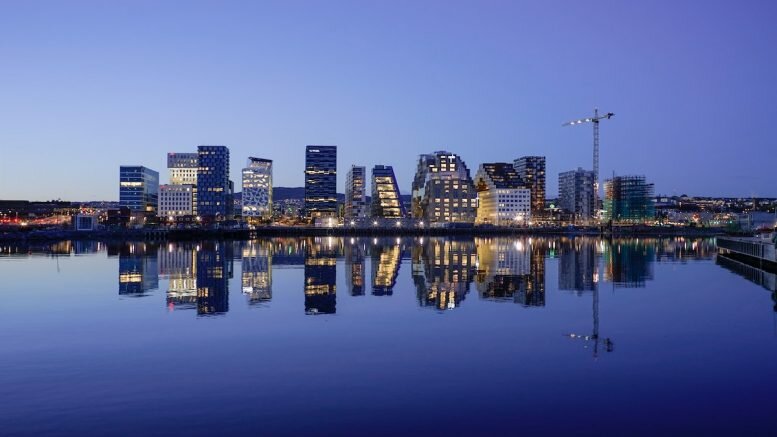
Each year, Time magazine names 100 destinations on its “World’s greatest places” list.
Time has featured seven wonderful and well-deserving Nordic locations in its 2021 list of the world’s greatest places.
So, here they are (in alphabetical order, like in the original list):
Faroe Islands
Described as “Worth the journey,” the Faroe Islands are a self-governing archipelago politically within the Kingdom of Denmark.
18 islands (one is uninhabited) make up the nation, which has a population of about 50,000. 40% of the Islands’ residents live in the capital city of Tórshavn on Streymoy Island. In Tórshavn, visitors can take in the sight of turf-roof houses, visit the Tórshavn Cathedral, and go to an art or music event at the Nordic House Cultural Center.
Originally christened by Viking-Age settlers as Føroyar (Faroe Islands – meaning, Sheep Islands), the out-of-this-world Faroe Islands are a place of raw beauty and interesting history. Certainly more than worth the journey to the sub-Arctic 61st latitude north!
Gothenburg
The slogan given to Gothenburg is “Four centuries and counting,” a nod to the city’s founding date of 1621. This seaport city is the second-largest, after Stockholm, in the Kingdom of Sweden.
With a population of about 580,000, the buzzing metropolis that is Gothenburg acts as a university, cultural, and gastronomic hub. One million additional people make their home in the metropolitan area of the city, which regularly hosts film festivals, concerts of all genres, and sports tournaments. It’s also the headquarters of the Volvo Group.
Gothenburg, adorned with tree-lined boulevards and winding canals, is easy on the eyes to boot.
Helsinki
Helsinki is Finland’s stylish capital. Time describes it as “Giving old spaces new purpose,” which Helsinki, inhabited since prehistory, has mastered. Over the years, the city has flourished and masterfully blended past and present.
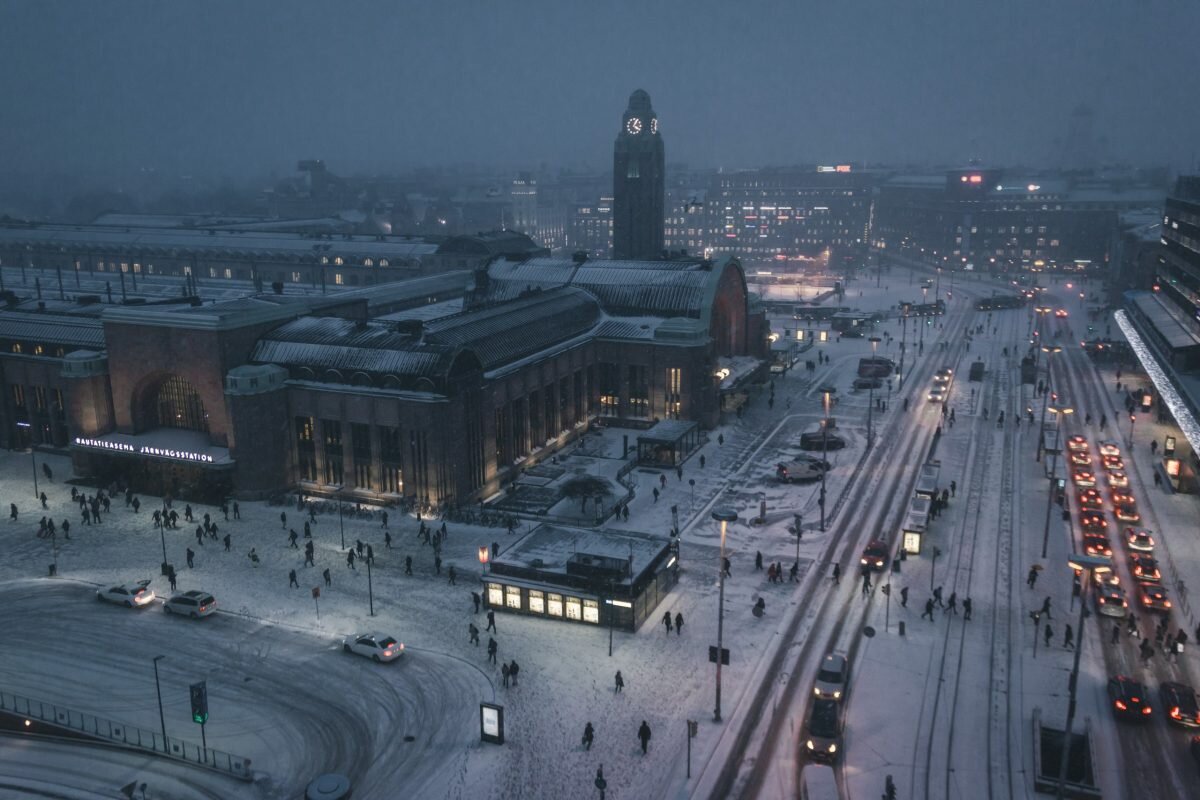
The largest city in Finland, Helsinki has a population of about 650,000, with around 1.5 million people living in the city’s metropolitan area.
Six Michelin-star restaurants, constant art and music festivals, and beautiful architecture galore, such as the Helsinki Cathedral – a trademark of the city skyline – make the capital a coveted destination.
Nuuk
A gem of the north, Nuuk is the capital city of the world’s largest island, Greenland. Greenland is an autonomous territory of the Kingdom of Denmark.
A “Pioneering capital” indeed, Nuuk is among the coolest northern destinations for both its culture and nature. The Greenland National Museum, Nuuk Art Museum, and Katuaq Cultural Center provide opportunities to learn about and participate in the city’s past and present.
Then there are the city’s fjords (which are teeming with waterfalls, whales, and icebergs), plus the Sermitsiaq Mountain providing a picture-perfect backdrop for it all.
With a population of almost 19,000, Nuuk is the largest city in Greenland – by far. Unlike most of the island, which is situated above the Arctic Circle, Nuuk is sub-Arctic – but just so, with a 64 latitude north.
Odense
The “Fairy-tale city” of Odense is Denmark’s third-largest, with a population of about 180,000. It’s the biggest on Funen Island, though, where it’s situated.
Odense got its name from Odin’s vi – meaning Odin’s sanctuary – but today, it’s a haven for more than the gods. Known as Denmark’s cycling city, Odense offers endless opportunities for recreation, enjoying art, and eating great food.
Bonus fact: Odense is the hometown of Hans Christian Andersen (1805-1875)! The city has walking tours available for those seeking to retrace the legendary Andersen’s footsteps, plus several museums and buildings dedicated to the author.
Oslo
Oslo, oh, Oslo.
Time’s slogan for Oslo is “Munch to do” – fitting, for the resting place of iconic Norwegian artist Edvard Munch (1863-1944).
For more on Oslo, head to our designated article on the captivating Norwegian capital here!
Reykjavik
Reykjavik, Iceland’s bustling capital and university city, is certainly “Abuzz with openings.” With a population of around 120,000, Reykjavik is home to about a third of Iceland’s total population.
Set among incredible wilderness – sweeping vistas of the ocean and snow-capped mountains surround the city – Reykjavik has a cultural heritage to match the natural.
The city’s National and Saga museums tell the tale of Iceland’s history, with a special focus on the Viking Age. The towering concrete Hallgrimskirkja Church is another must-visit Reykjavik site, with a statue of explorer Leif Erikson guarding its entrance (c. 970 – c. 1020).
Source: #NorwayTodayTravel